
“On Being Ill,” by Virginia Woolf - The Timely Edition
With Asides By Yours Truly

My oldest friend, Rebecca, made a pact to meet me today. We live far away from each other, and a reunion is a rare treat.
We rubbed our hands with anticipation— there’s so much to linger upon, to talk late into the night!
Becca fell ill on her travel day— this morning. “I think I got the flu from my son on his birthday.”
She feared infecting me— so we scrapped our rendezvous. We know the influenza, the mystery bug, could keep us imprisoned in bed for weeks. At our age, a so-called “cold” is a Trojan Horse.
Maybe the young feel such danger these days as well. We live in the new Dark Age of measles at the opera and hantavirus on a bird boat.
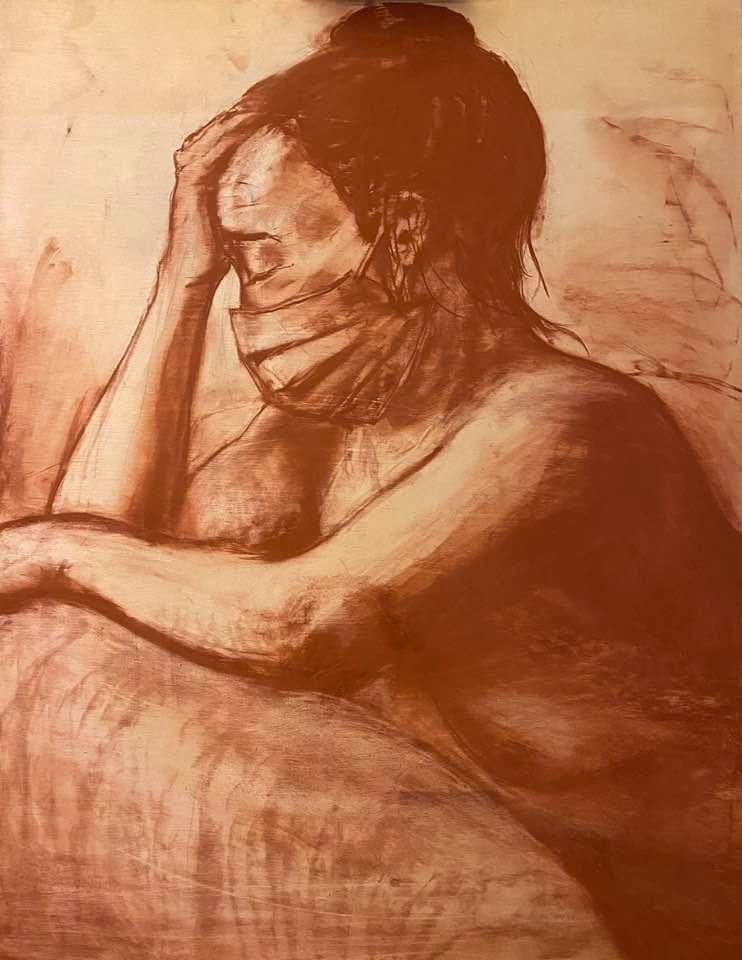
Woolf wrote an essay called “On Being Ill,” when she was 42. It was 1925, and she was recovering in bed. I’d like to share an excerpt of it with you today, with my special love for those of you, who at the moment, are in the middle of something rather nasty. I’m going to poetically refigure some of her phrasing, because it is so beautiful, you have to take a pause to drink it in.
Or, listen to my voiceover tape, above. Better than ASMR.
Feel Better. ;-) Your friends love you.
“Considering how common illness is,
How tremendous the spiritual change that it brings,
How astonishing, when the lights of health go down, the undiscovered countries that are then disclosed,
What wastes and deserts of the soul a slight attack of influenza brings to view,
What precipices and lawns sprinkled with bright flowers a little rise of temperature reveals,
What ancient and obdurate oaks are uprooted in us by the act of sickness,
How we go down into the pit of death and feel the waters of annihilation close above our heads1
and wake thinking to find ourselves in the presence of the angels and the harpers when we have a tooth out and come to the surface in the dentist’s armchair and confuse his “Rinse the mouth— rinse the mouth”
With the greeting of the Deity stooping from the floor of heaven to welcome us—
When we think of this, as we are so frequently forced to think of it,
If becomes strange indeed that illness has not taken its place with love and battle and jealousy among the prime themes of literature.
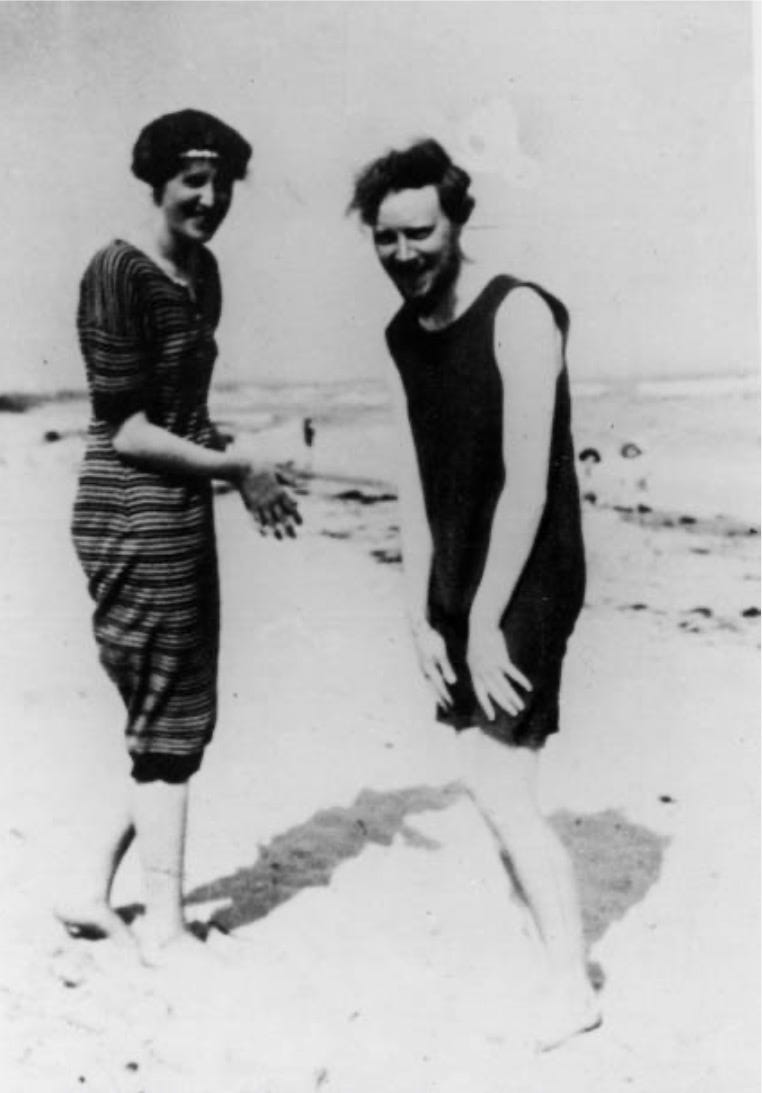
Novels, one would have thought, would have been devoted to influenza; epic poems to typhoid; odes to pneumonia; lyrics to toothache.
But no; with a few exceptions Thomas De Quincey attempted something of the sort in The Opium Eater;2 there must be a volume or two about disease scattered through the pages of Marcel Proust3— literature does its best to maintain that its concern is with the mind;
That the body is a sheet of plain glass
Through which the soul looks straight and clear, and, save for one or two passions such as desire and greed, is null, and negligible and non-existent.
On the contrary, the very opposite is true.
All day, all night the body intervenes; blunts or sharpens, colors or discolors, turns to wax in the warmth of June, hardens to tallow in the murk of February.
The creature within can only gaze through the pane— smudged or rosy; it cannot separate off from the body like the sheath of a knife or the pod of a pea for a single instant;
It must go through the whole unending procession of changes, heat and cold, comfort and discomfort, hunger and satisfaction, health and illness
Until there comes the inevitable catastrophe; the body smashes itself to smithereens, and the soul, it is said, escapes.
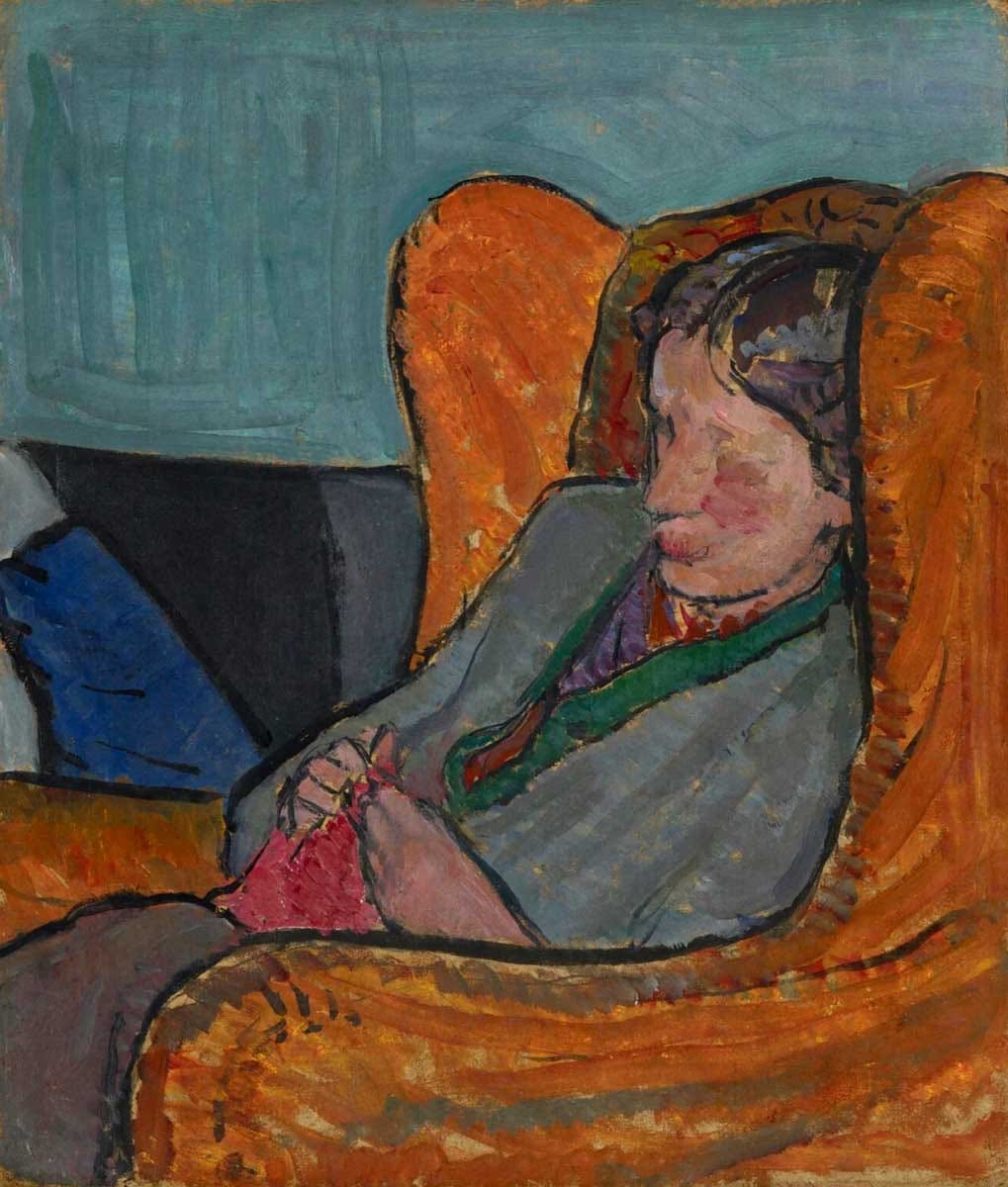
But of all this daily drama of the body there is no record. People write always of the doings of the mind; the thoughts that come to it; its noble plans; how the mind has civilised the universe.
They show it ignoring the body in the philosopher’s turret; or kicking the body, like an old leather football, across leagues of snow and desert in the pursuit of conquest or discovery.
Those great wars which the body wages with the mind a slave to it, in the solitude of the bedroom against the assault of fever or the oncoming of melancholia, are neglected.
Nor is the reason far to seek. To look these things squarely in the face would need the courage of a lion tamer; a robust philosophy; a reason rooted in the bowels of the earth.
Short of these, this monster, the body, this miracle, its pain, will soon make us taper into mysticism, or rise, with rapid beats of the wings, into the raptures of transcendentalism.4
The public would say that a novel devoted to influenza lacked plot; they would complain that there was no love in it— wrongly however, for illness often takes on the disguise of love, and plays the same odd tricks.
It invests certain faces with divinity, sets us to wait, hour after hour, with pricked ears for the creaking of a stair,
And wreathes the faces of the absent (plain enough in health) with a new significance,
While the mind concocts a thousand legends and romances about them for which it has neither time nor taste in health.5
Finally, to hinder the description of illness in literature, there is the poverty of the language. English, which can express the thoughts of Hamlet and the tragedy of Lear, has no words for the shiver and the headache.
It has all grown one way.
The merest schoolgirl, when she falls in love, has Shakespeare or Keats to speak her mind for her; but let a sufferer try to describe a pain in his head to a doctor, and language at once runs dry. There is nothing ready-made for him.
He is forced to coin words himself, and, taking his pain in one hand,
And a lump of pure sound in the other, as perhaps the people of Babel did in the beginning6,
So to crush them together that a brand new word in the end drops out.
Probably it will be something laughable.
For who of English birth can take liberties with the language?
“To us it is a sacred thing and therefore doomed to die, unless the Americans, whose genius is so much happier in the making of new words than in the disposition of the old, will come to our help and set the springs aflow.
Yet it is not only a new language that we need, more primitive, more sensual, more obscene, but a new hierarchy of the passions;
Love must be deposed in favour of a temperature of 104 degrees;
Jealousy give place to the pangs of sciatica;
Sleeplessness play the part of villain,
And the hero become a white liquid with a sweet taste— that mighty Prince with the moths’ eyes and the feathered feet, one of whose names is Chloral.
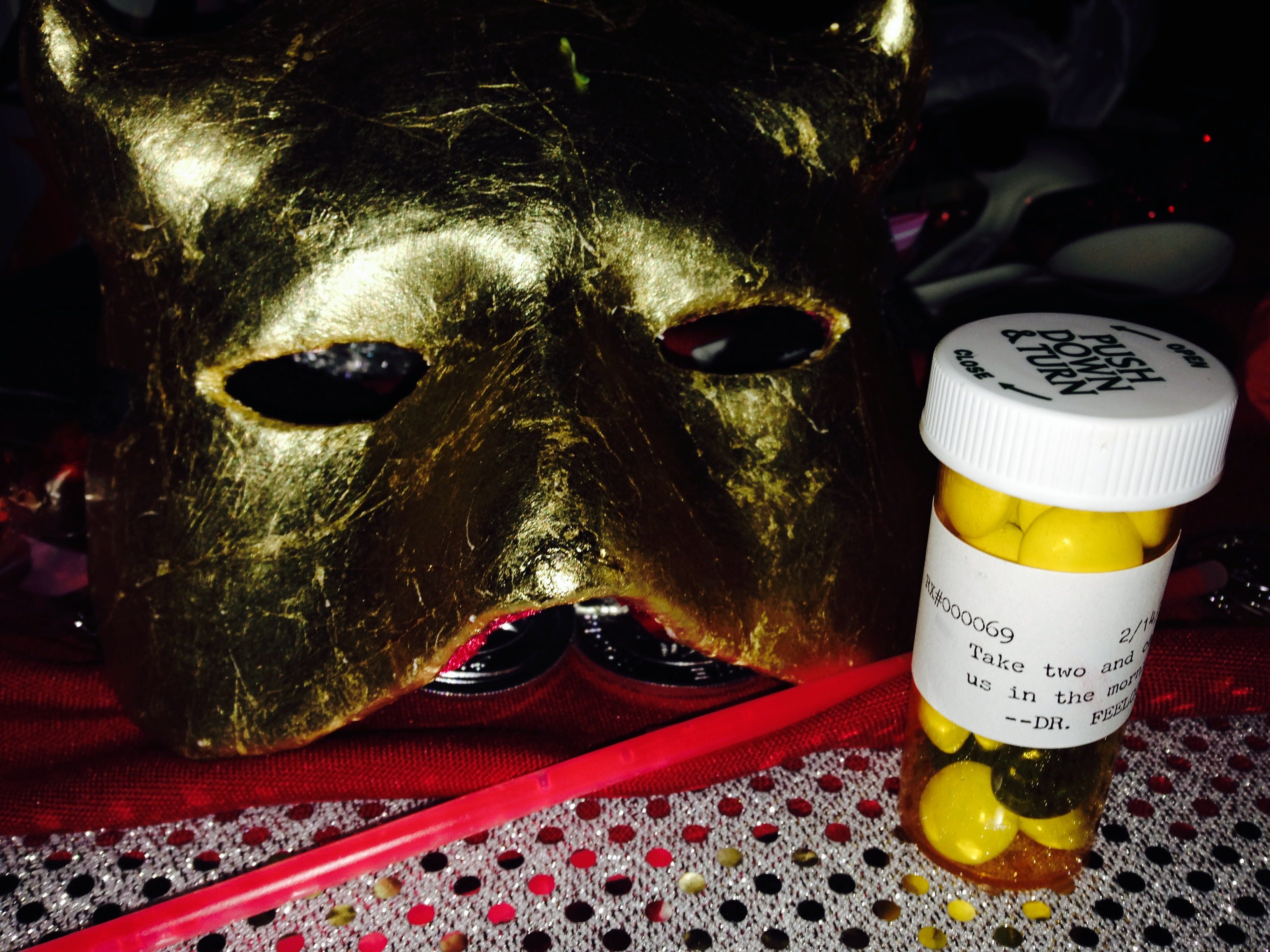
“But to return to the invalid . . .
“I am in bed with influenza”— but what does that convey of the great experience?
How the world has changed its shape; the tools of business grown remote; the sounds of festival become romantic like a merry-go-round heard across far fields;
And friends have changed, some putting on a strange beauty, others deformed to the squatness of toads,
While the whole landscape of life lies remote and fair, like the shore seen from a ship far out at sea,
And he is now exalted on a peak and needs no help from man or God, and now grovels supine on the floor glad of a kick from a housemaid—
The experience cannot be imparted
And, as is always the way with these dumb things, his own suffering serves but to wake memories in his friends’ minds of their influenzas,
Their aches and pains which went unwept last February, and now cry aloud, desperately, clamorously, for the divine relief of sympathy.
Sympathy we cannot have.7 Wisest Fate says no.
If her children, weighted as they already are with sorrow, were to take on them that burden too, adding in imagination other pains to their own, buildings would cease to rise;
Roads would peter out into grassy tracks;
There would be an end of music and of painting;
One great sigh alone would rise to heaven, and the only attitudes for men and women would be those of horror and despair.
As it is, there is always some little distraction
—An organ grinder at the corner of the hospital,
A shop with book or trinket to decoy one past the prison or the workhouse,
Some absurdity of cat or dog to prevent one from turning the old beggar’s hieroglyphic of misery into volumes of sordid suffering;
And thus the vast effort of sympathy which those barracks of pain and discipline, those dried symbols of sorrow, ask us to exert on their behalf, is uneasily shuffled off for another time.
Sympathy nowadays is dispensed chiefly by the laggards and failures
—Women for the most part, in whom the obsolete exists so strangely side by side with anarchy and newness,
Who, having dropped out of the race, have time to spend upon fantastic and unprofitable excursions.
C.L.,8 for example, who, sitting by the stale sickroom fire, builds up, with touches at once sober and imaginative, the nursery fender, the loaf, the lamp, barrel organs in the street, and all the simple old wives’ tales of pinafores and escapades;
Or, A.R.,9 the rash, the magnanimous, who, if you fancied a giant tortoise to solace you or a theorbo to cheer you, would ransack the markets of London and procure them somehow, wrapped in paper, before the end of the days;
The frivolous K.T.,10 who, dressed in silks and feathers, powdered and painted (which takes time too) as if for a banquet of Kings and Queens, spends her whole brightness in the gloom of the sick room, and makes the medicine bottles ring and the flames shoot up with her gossip and her mimicry. 11
But such follies have had their day; civilisation points to a different goal; and then what place will there be for the tortoise and the theorbo?
There is, let us confess it (and illness is the great confessional), a childish outspokenness in illness; things are said, truths blurted out, which the cautious respectability of health conceals.
About sympathy for example—
We can do without it.
That illusion of a world so shaped that it echoes every groan,
of human beings so tied together by common needs and fears that a twitch at one wrist jerks another,
where however strange your experience other people have had it too,
where however far you travel in your own mind someone has been there before you— is all an illusion.
We do not know our own souls, let alone the souls of others.
Human beings do not go hand in hand the whole stretch of the way.
There is a virgin forest in each; a snowfield where even the print of birds’ feet is unknown.
Here we go alone, and like it better so.
To always to have sympathy, always to be accompanied, always to be understood— would be intolerable.12
But in health the genial pretense must be kept up and the effort renewed— to communicate, to civilize, to share, to cultivate the desert, educate the native, to work together by day and by night to sport.
In illness this make-believe ceases.
Directly the bed is called for, or, sunk deep among pillows in one chair,
we raise our feet even an inch above the ground on another,
we cease to be soldiers in the army of the upright; we become deserters.
They march to battle.
We float with the sticks on the stream;
helter-skelter with the dead leaves on the lawn,
irresponsible and disinterested and able, perhaps for the first time for years,
to look round, to look up— to look, for example, at the sky.”
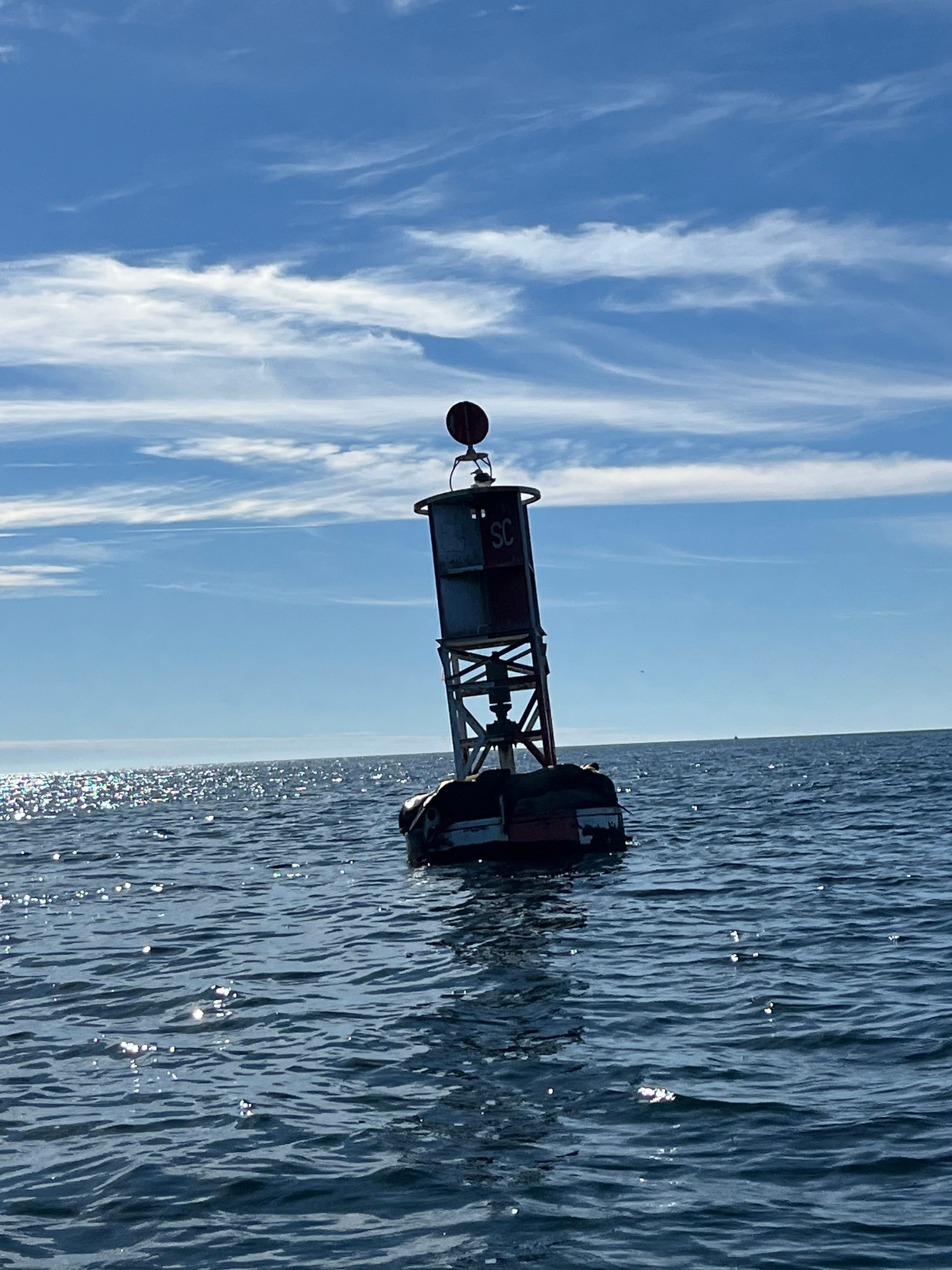
P.S. — Our friend, beloved Ka’ala, has not been feeling so hot. Music is the only thing that always makes sense. His voice is as beautiful as ever.
In Case You Missed It
This is my experience of the flu, the sinus tsunami, and I will repeat it next time I am being dragged down under!
“Oh! just, subtle, and mighty opium! that to the hearts of poor and rich alike, for the wounds that will never heal, and for 'the pangs that tempt the spirit to rebel,' bringest an assuaging balm; eloquent opium! that with thy potent rhetoric stealest away the purposes of wrath; and to the guilty man, for one night givest back the hopes of his youth, and hands washed pure of blood . . .”
“Nature hardly seems capable of giving us any but quite short illnesses. But medicine has annexed to itself the art of prolonging them. Remedies, the respite that they procure, the relapses that a temporary cessation of them provokes, compose a sham illness to which the patient grows so accustomed that he ends by making it permanent, just as children continue to give way to fits of coughing long after they have been cured of the whooping cough. Then remedies begin to have less effect, the doses are increased, they cease to do any good, but they have begun to do harm thanks to that lasting indisposition. Nature would not have offered them so long a tenure. It is a great miracle that medicine can almost equal nature in forcing a man to remain in bed, to continue on pain of death the use of some drug. From that moment the illness artificially grafted has taken root, has become a secondary but a genuine illness, with this difference only that natural illnesses are cured, but never those which medicine creates, for it knows not the secret of their cure.” ~ Marcel Proust in À la Recherche du Temps Perdu
Woolf taps right into the annoying tendency of illness to manifest New Age idiocy.
The loneliness of being bedridden, the absolute dependency on the mercy of others who may or may not show up!
“And at this sound the multitude came together, and they were bewildered, because each one was hearing them speak in his own language.” - Acts 2:6
Woolf ruthless on “sympathy” — by which she means people seizing upon your ailment and making it all about them!
Could it be Caroline (or Sibyl) Colefax, a noted society hostess and friend of Woolf’s?
Is this Alix Sargant-Florence (later Alix Strachey), with rambunctious personality?
The trickiest . . . Maybe Kitty Maxse (née Lushington), a friend of Woolf’s from childhood and often linked to the character of Clarissa Dalloway.
The scholar Sarah Pett, in her 2019 article “Rash Reading: Rethinking Virginia Woolf’s On Being Ill,” discussed C.L., A.R., and K.T. alongside figures like “Mrs. Jones” and “Mr. Smith” as composite characters. Maybe Woolf used the literary device to create a host of sympathetic women visitors.
Hear hear
I always look forward to reader’s email and comments after I write a piece, so this morning, I tore open the first missive I got with the subject line, “Re: On Being Ill, Virginia Woolf”.
From a subscriber, of course, “Robert:”
“I would like to know my options, please advise.”
Huh? You want to know your options on getting ill, Orlando-style?
The second email from “Charlene,” said, again, “On Being Ill”:
“I’d like to know more about my choices.”
perfect timing on this piece as I recover from my surgery. I've had to consider what my life would be like with low I vision or no vision and I decided I was OK with that too but luckily the prognosis is good and my vision will be better than ever after I heal knock on wood. The odd thing about eye surgery is that there's very little pain involved so even though you have to be still and sleep and recover you don't feel that way but I guess I would rather that than the alternative of feeling badly. Hugs to all the people who right now have that awful flu that's going around in solidarity the sick ones